TRAIN WHAT
YOUR EYES DO
DURING THE GAME.
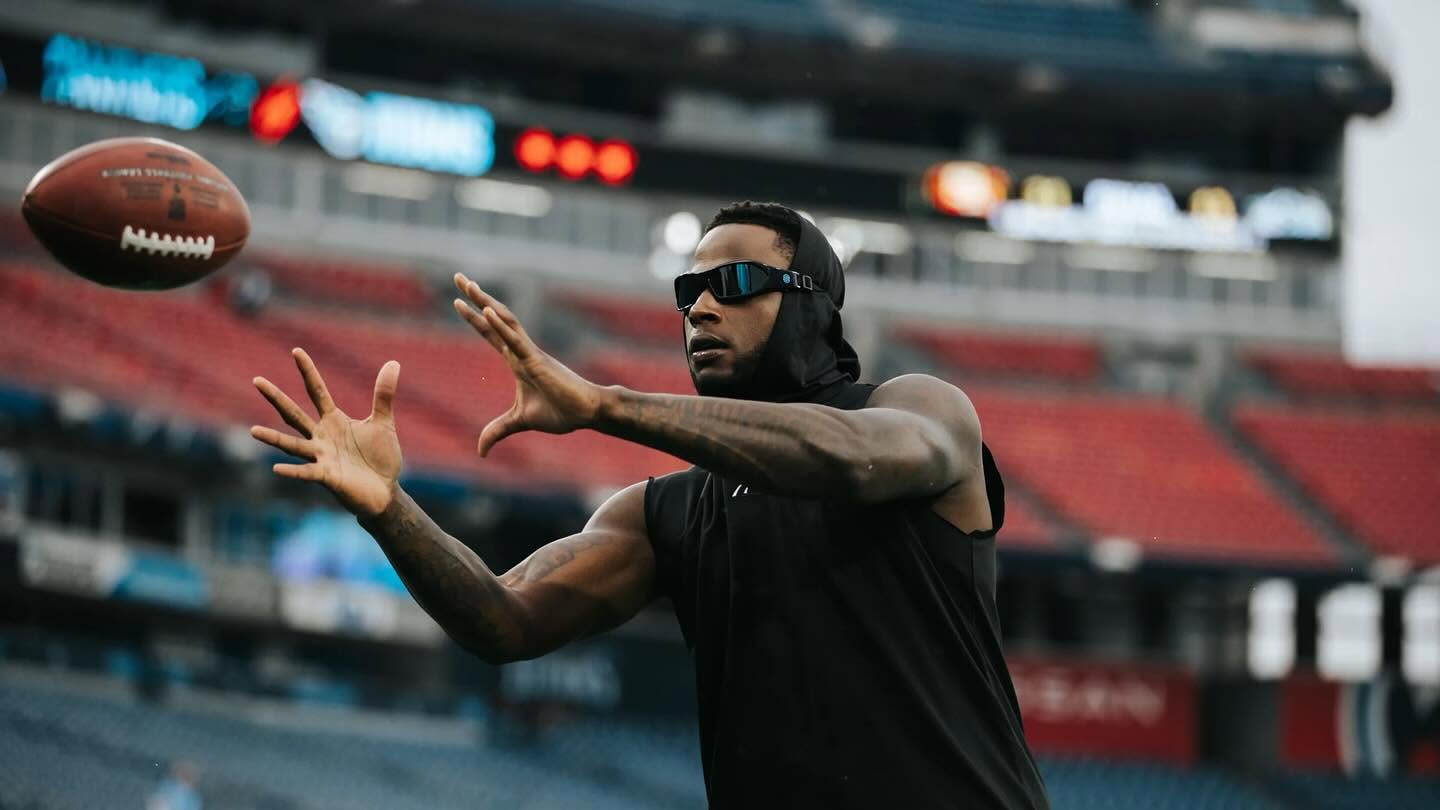
Athletes train strength, speed, skill and conditioning. Competition also demands the ability to see information, process what is happening and respond while the game is moving.
20/20 ISN'T
THE WHOLE STORY.
Seeing clearly matters. Athletic visual performance can involve more.
Sports place visual demands on athletes while bodies, balls, teammates and opponents are moving. Sports vision helps examine the visual skills involved in those dynamic situations and how they relate to the athlete's sport.
Eye Tracking
Following moving objects and maintaining visual attention as play develops.
Peripheral Awareness
Using information beyond the athlete's central point of focus.
Depth Perception
Judging spatial relationships, distance and position during movement.
Visual Processing Speed
Taking in changing visual information when time and movement matter.
Eye-Hand Coordination
Connecting visual information with controlled physical action.
Visual-Motor Response
Turning visual information into an appropriate movement response.
Sports vision isn't about defining an athlete. It's about understanding another layer of what happens between seeing the game and responding to it.
THE GAME
DOESN'T WAIT.
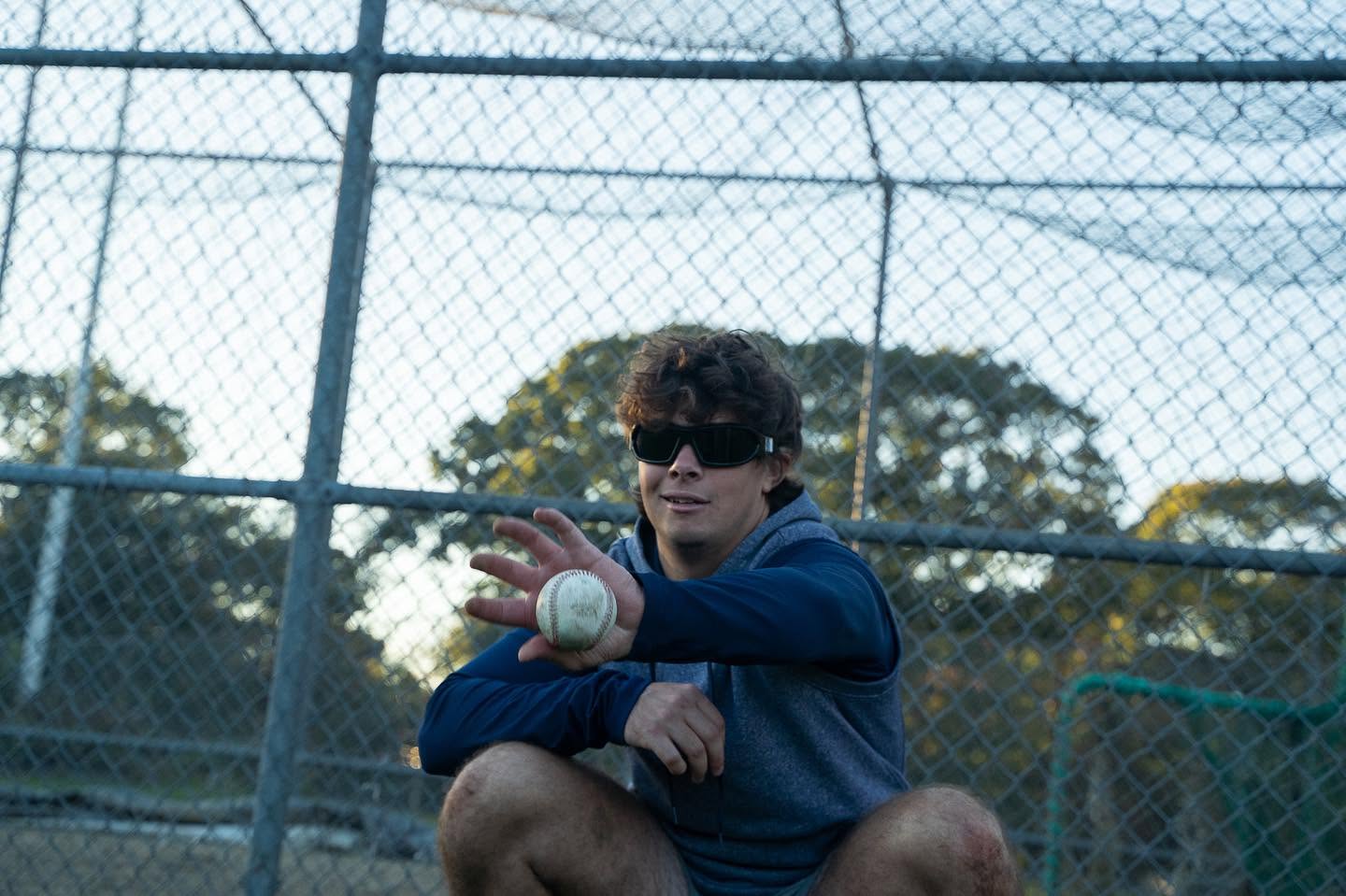
A ball is moving. The athlete is moving. The environment is changing. Athletic performance often requires visual information to become physical action quickly and effectively.
SEE
Acquire the information.Find and follow the ball, athlete, space or movement that matters in the moment.
PROCESS
Interpret what's changing.Judge location, movement, depth, timing and the visual information surrounding the play.
REACT
Turn information into action.Coordinate the body and execute the movement the athletic situation requires.
PERFORMANCE
HAPPENS IN MOTION.
Competition rarely gives an athlete a stationary, predictable visual environment.
The athlete moves. The ball moves. Teammates move. Opponents move. Distance changes. Timing changes. Attention shifts.
That's why sports vision should be considered in the context of the athlete, the activity and the visual demands of the sport.
DIFFERENT SPORTS.
DIFFERENT VISUAL DEMANDS.
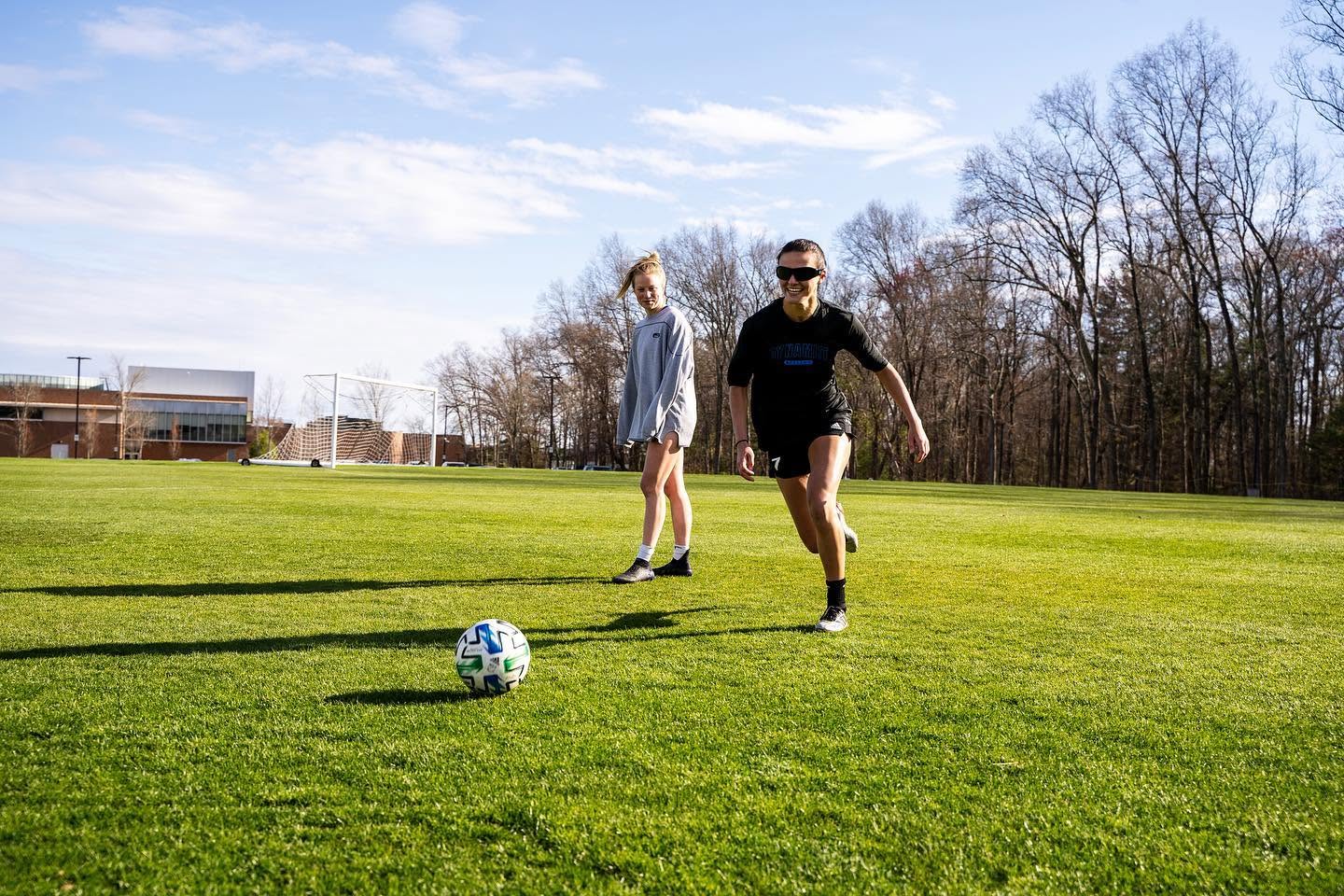
The situations change from field to court, position to position, and athlete to athlete. Sports vision training should reflect those differences rather than treating every athlete the same.
TRACK.
TIME.
COMMIT.
Track a changing ball flight, judge the moment and coordinate a rapid whole-body response.
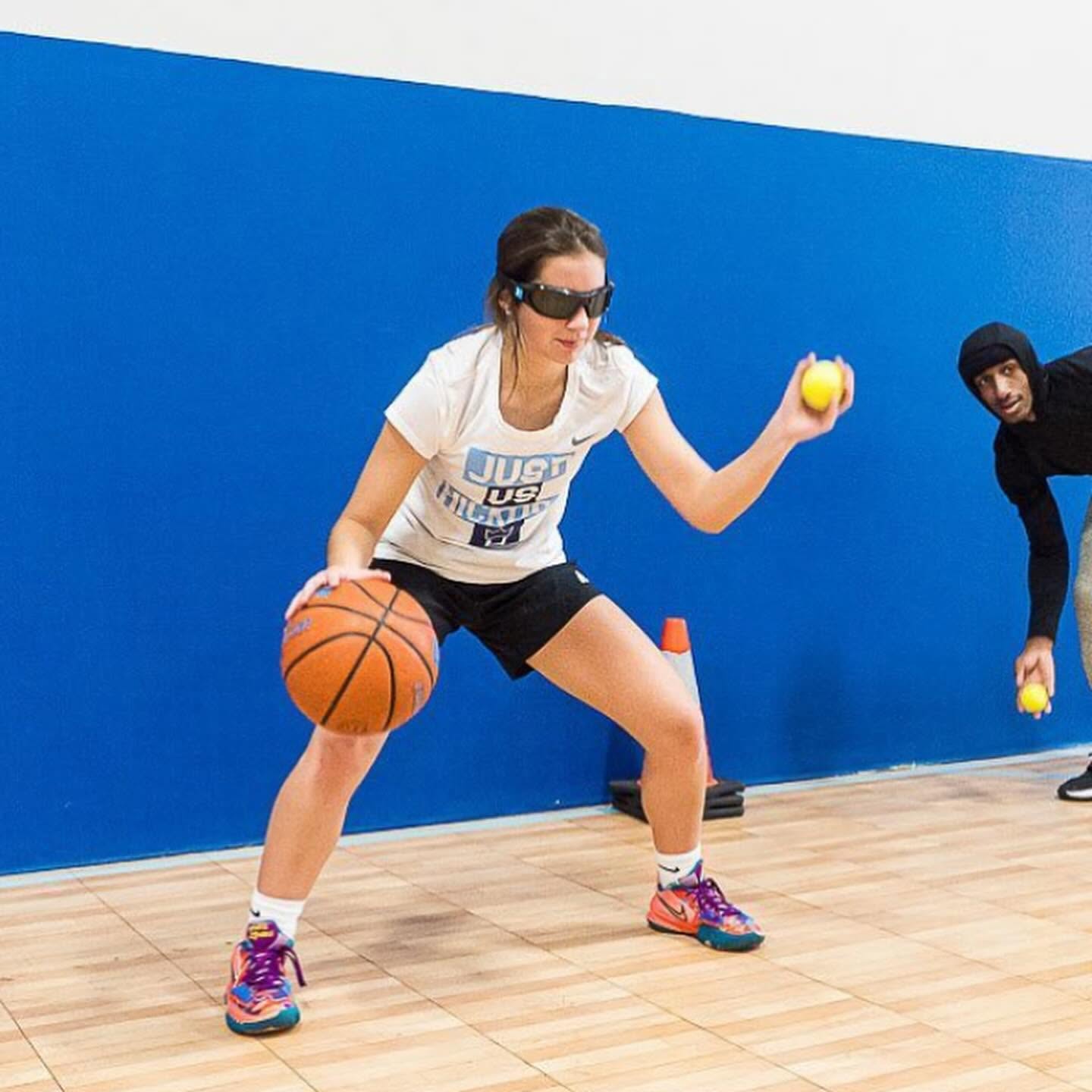
SCAN.
CONTROL.
RESPOND.
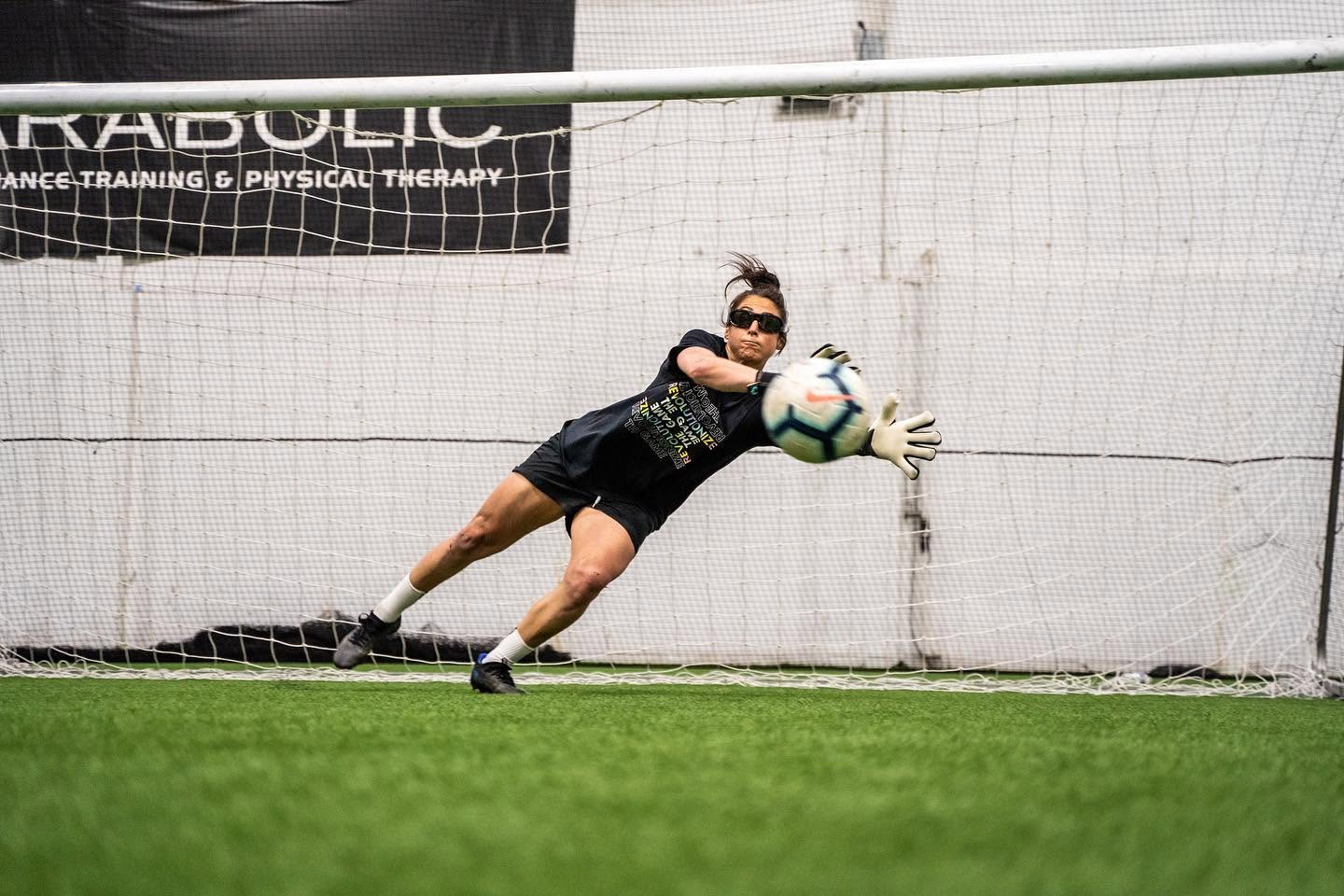
Manage visual information and physical control while multiple demands compete for attention.
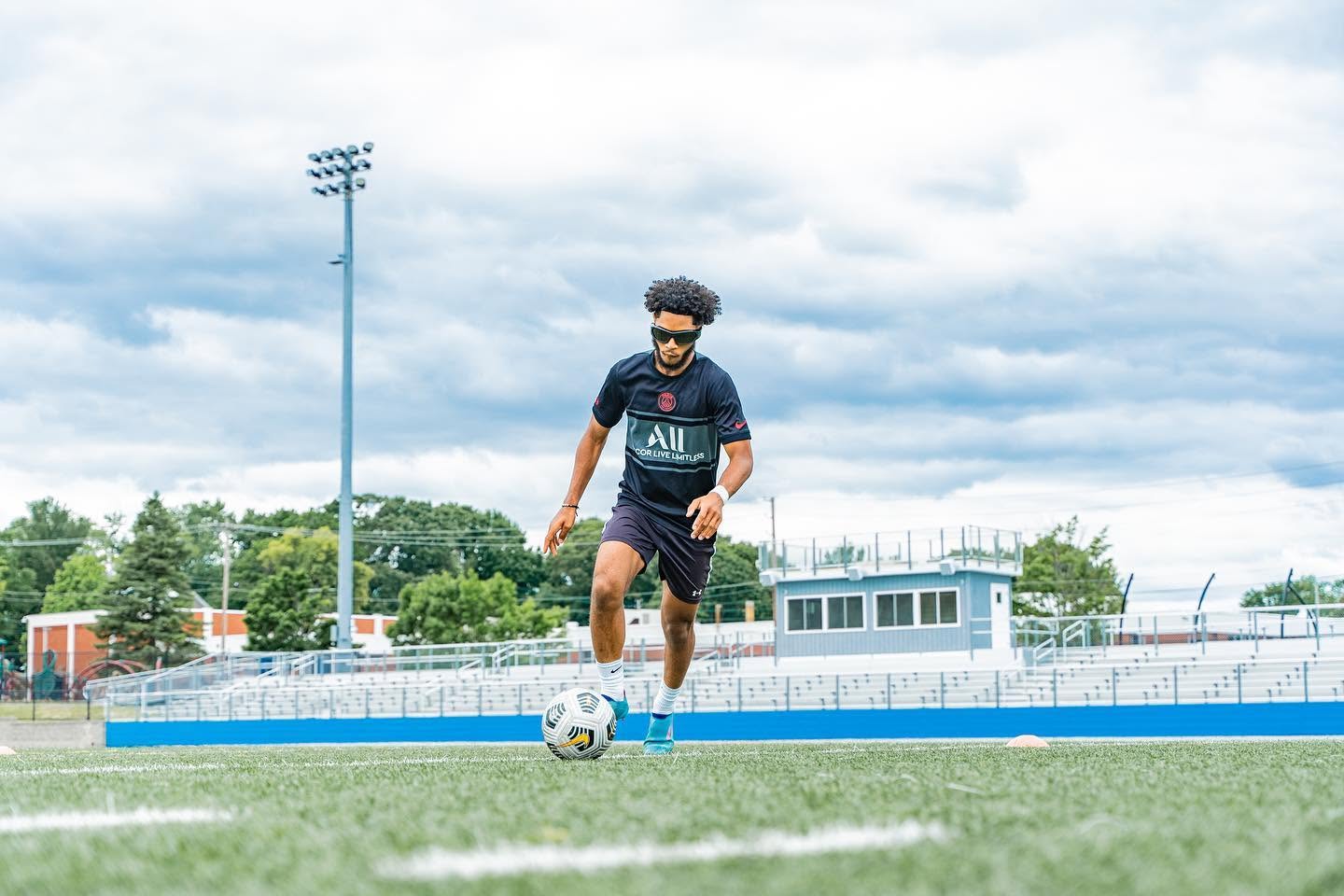
SEE SPACE.
READ MOVEMENT.
ACT.
Combine visual awareness with movement, timing and execution while the environment continues to change.
THE QUESTION ISN'T JUST "HOW WELL CAN YOU SEE?"
It's also worth understanding what the athlete is being asked to see, interpret and respond to inside their sport.
Sports Vision is more than equipment or a single drill. It begins with understanding the athlete, the visual demands of the sport and the skills involved in performance.

DR. TANNER
GATES
Wired Edge has partnered with Dr. Gates and Nebraska Visual Integration Center to help athletes, families and coaches better understand the visual side of athletic performance.
Dr. Gates earned his Doctorate in Optometry from Nova Southeastern University and completed a residency in Vision Therapy / Rehabilitative Optometry as well as a Fellowship in Vision Development & Rehabilitation.
His work includes Sports Vision services for athletes seeking to better understand and develop the visual skills connected to performance.
Vision Therapy / Rehabilitative Optometry
Athlete-focused visual performance services
Serving athletes and families throughout the region
The athlete comes first. Tools, drills and technology are selected based on what the athlete is working to understand and develop.
UNDERSTAND THE
VISUAL SIDE OF SPORT.
Wired Edge and Dr. Gates are building educational resources designed to make sports vision easier for athletes, parents and coaches to understand.
What Is Sports Vision Training?
A foundational introduction to the visual skills athletes use and how sports vision fits into performance.
Sports Vision Goes Beyond 20/20
Why visual acuity is important—but doesn't tell the entire story of visual performance during sport.
The Visual Skills Athletes Use During Competition
Tracking, peripheral awareness, depth, processing and coordination inside real athletic situations.
Tracking, Timing & Reaction
A closer look at how visual information connects with timing, movement and athletic response.
What Happens During a Sports Vision Evaluation?
Understand what an athlete and family can expect when exploring sports vision performance.
How Sports Vision Fits Into Athlete Development
Where visual performance training may fit alongside skill work, strength, conditioning and sport development.
More coming. Written resources, video education and sport-specific content will continue to expand inside Wired Edge.
CURIOUS ABOUT YOUR ATHLETE'S VISUAL PERFORMANCE?
Learn more about Sports Vision and what a comprehensive Sports Vision Evaluation can examine in relation to your athlete and their sport.
Educational information on this page is intended to help athletes and families better understand sports vision. Individual evaluation, diagnosis and training recommendations should be provided by an appropriately qualified professional.